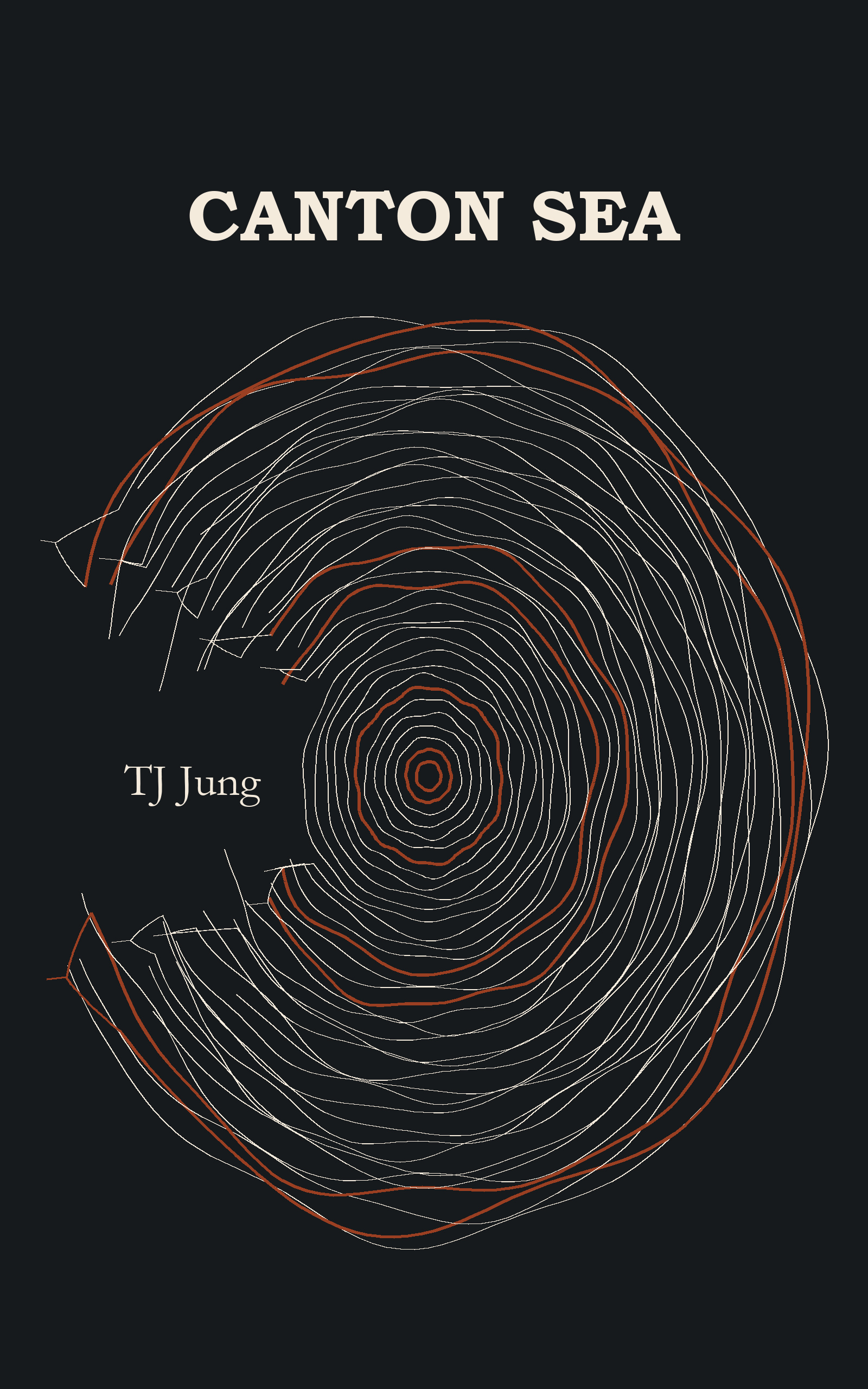
A theory built inside the work
Canton Sea
A Theory of Human-AI Signal-Chain Identity
Every instruction is a coded message. Its meaning depends on the decoder, memory, tools, environment, and path to action.
TJ Jung / HMIC LLC
Paperback $14.99 / Kindle $0.99 / ISBN 979-8-953120-00-5
01
Thirty-eight short chapters. One signal chain.
Canton Sea develops a practical theory for tracing intent through people, models, machines, and interfaces. TJ Jung uses films, games, music, biology, sales, and software to show how meaning survives handoffs and how a small signal can recover a large body of shared context.
The book began inside a working AI research system. Its concepts were named under pressure, tested against failures, and compressed until they could guide real work.
02
The questions
How small can a command become before context disappears?
Where does identity live when every component of the chain can change?
What must remain inspectable when the interface vanishes?
When does the decoder become part of the message?
03
About the author
An operator's view of AI
TJ Jung is a systems architect and Senior AI Implementation Engineer specializing in pipeline automation and model routing. He came to AI without formal computer-science education.
His approach was shaped by audio engineering, pharmaceutical manufacturing, PC overclocking, and CRM system design: trace the signal through an imperfect chain, isolate the variable that controls the outcome, and preserve what works.
Publication details
Publisher HMIC LLC
Edition First edition
Paperback 6 × 9 in, 134 pages, cream paper, matte cover
Kindle Reflowable EPUB, DRM-free
Language English
ISBN 979-8-953120-00-5
04
See the system continuing to work
The book names the operating ideas. The Assembled Worker publishes the experiments, model comparisons, and production artifacts that continue after the cover closes.